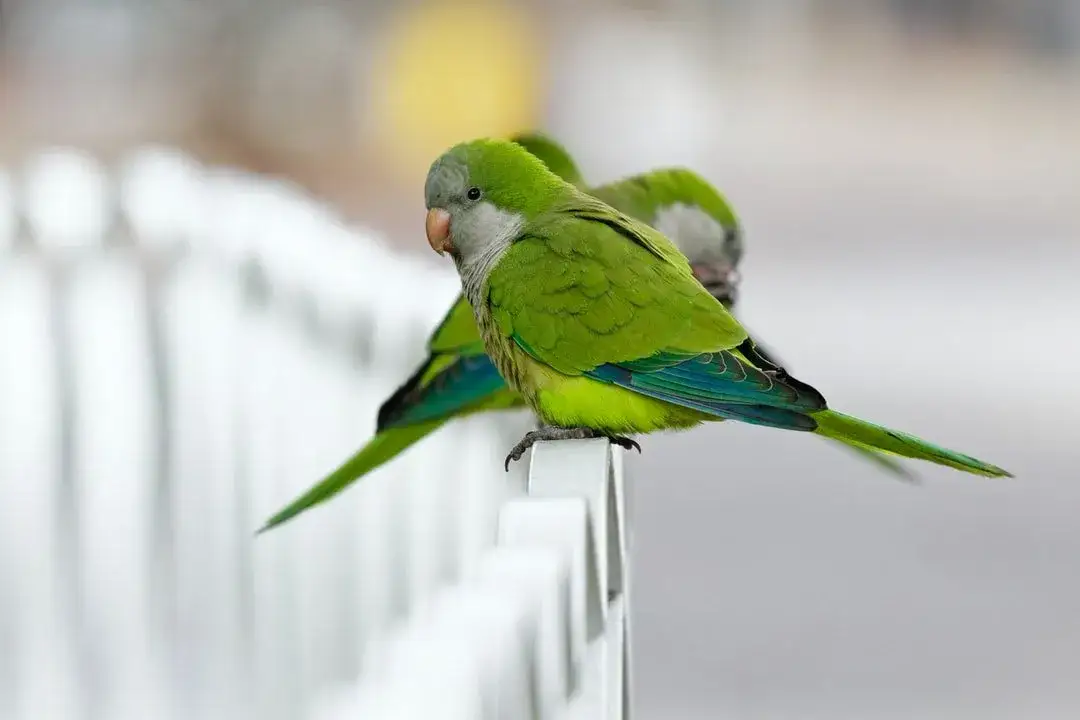
Summer Bird Care Guide: Keep Your Feathered Friend Healthy
As the warmer months approach, the vibrant energy of summer fills the air, bringing with it opportunities for outdoor fun and longer days. For bird owners, however, this season also ushers in a unique set of challenges and responsibilities. Ensuring your beloved feathered friend remains healthy and comfortable during the peak of summer requires proactive care and a keen understanding of their needs. From managing soaring temperatures to adapting their diet, thoughtful
summer bird care is essential for their well-being. This comprehensive guide will walk you through the critical steps to prepare your avian companion for a safe and enjoyable summer.
Mastering Temperature Control for Your Feathered Friend
High temperatures can be particularly stressful, and even dangerous, for birds. Unlike humans who sweat, birds rely on panting and other mechanisms to cool down, which can be less efficient and lead to rapid dehydration. Maintaining a comfortable and safe environment is paramount.
Creating a Cool Haven Indoors
The first line of defense against summer heat is establishing a climate-controlled indoor space. While air conditioning is ideal for consistent temperature regulation, not everyone has access to it. Here are some alternatives:
- Fans: Strategically place fans to circulate air, but *never* point them directly at your bird's cage. A constant direct breeze can lead to respiratory issues or stress. Aim for indirect airflow that keeps the room breezy.
- Misting Devices: A fine mist sprayer can offer immediate relief, mimicking natural rain. Use lukewarm water and mist gently, observing your bird’s reaction. Many birds enjoy this as a form of bathing and cooling.
- Proper Ventilation: Ensure good airflow throughout the day. Open windows on opposite sides of the house (if safe and draft-free for your bird) to create a cross-breeze. However, be vigilant about avoiding drafts that can cause sudden temperature drops, which are equally harmful.
- Strategic Cage Placement: Position your bird's cage in the coolest part of your home, away from windows that receive direct afternoon sun. Northern-facing rooms or internal walls often remain cooler.
It's crucial to understand the signs of overheating in birds, which include rapid panting, wings held away from the body, lethargy, and a red flush to their skin (especially on unfeathered areas like feet). If you observe these, take immediate action to cool your bird down and consult your avian veterinarian if symptoms persist or worsen.
Outdoor Safety and Shade
If your bird enjoys supervised outdoor time, sun protection becomes even more critical. Direct sunlight, even for short periods, can cause severe overheating and sunburn.
- Shaded Spots: Always ensure their outdoor enclosure is placed in a fully shaded area. Under a large tree, an umbrella, or a patio roof are good options.
- Cage Covers: Utilize light-colored or reflective materials to cover parts of the cage, reducing heat absorption. A thin, breathable sheet can provide shade without trapping heat. Avoid dark colors that absorb more sunlight.
- Supervision: Never leave your bird unattended outdoors. Temperatures can rise rapidly, and sudden changes in weather or the presence of predators can pose significant risks.
The Lifeline of Hydration: Ensuring Ample Water Supply
Dehydration is one of the most significant threats to birds in summer. Just like humans, birds need increased fluid intake when temperatures rise. Prioritizing hydration is a cornerstone of effective
summer bird care.
Constant Access to Fresh Water
Your bird should always have access to a plentiful supply of clean, fresh water. Due to the increased heat, bacteria can proliferate much faster in water dishes.
- Frequent Changes: Replace water multiple times a day. In very hot weather, this might mean every few hours.
- Multiple Sources: Consider providing water in different forms. A traditional water dish is essential, but adding a water bottle can offer an additional source. Ensure your bird is accustomed to using both.
- Cleanliness: Scrub water dishes daily with a bird-safe disinfectant or hot, soapy water to prevent bacterial and algal growth. Rinse thoroughly.
Innovative Hydration and Bathing Solutions
Beyond drinking water, there are other creative ways to help your bird stay hydrated and cool.
- Misting: As mentioned, gentle misting with a fine spray bottle can encourage preening, moisten feathers, and provide a cooling sensation.
- Shallow Water Bowls: Offer a shallow dish of water for bathing. Many birds instinctively use these to clean their feathers and regulate body temperature. Ensure the water is fresh and the dish is stable.
- Bird Baths with a Twist: The Ice Trick! For an extra cooling treat, especially for larger birds or outdoor bird baths, place a large piece of ice in their bathing dish or birdbath. As the ice melts, it keeps the water refreshingly cool and clean throughout the day. This simple trick also helps to deter pesky insects that tend to congregate in still, warm water, enhancing the hygiene of the bath. For more detailed cooling strategies, check out our guide on Beat the Heat: Essential Hydration & Cooling Tips for Birds.
Nutritional Adjustments and Sun Protection
The summer heat can impact your bird's appetite and dietary needs, while the increased intensity of the sun necessitates careful protection.
Adapting Diet for Summer Health
Just as our own appetites might shift in summer, your bird's dietary requirements can fluctuate. They may eat less due to heat stress or prefer foods that are more hydrating.
- Nutrient-Rich Diet: Continue to offer a balanced, species-appropriate diet. This usually includes high-quality pellets, seeds in moderation, and a variety of fresh produce.
- High-Water Content Fruits & Vegetables: Incorporate hydrating fruits and vegetables into their meals. Options like cucumber, watermelon (seeds removed), cantaloupe, berries, and leafy greens can provide essential fluids and nutrients. Always offer fresh produce in moderation and remove any uneaten portions promptly to prevent spoilage.
- Avoid Sugary Treats: While some fruits are beneficial, be mindful of overly sugary options, especially processed treats, which can lead to health issues.
- Consult a Veterinarian: If you notice significant changes in appetite or weight, or if you're unsure about the best summer diet for your specific bird species, always consult an avian veterinarian or an expert in avian nutrition.
Guarding Against the Summer Sun
Protection from direct sunlight is non-negotiable for pet birds. Overheating is a severe risk, and birds can even get sunburn, particularly on unfeathered areas like their feet, cere, or around their eyes.
- Strategic Cage Placement: As mentioned earlier, keeping cages away from windows where direct sunlight streams in is crucial. Even indirect sun through a window can create a "greenhouse effect" within the cage.
- Curtains and Blinds: Use curtains, blinds, or even UV-filtering window films to block or filter excessive sunlight without completely darkening the room.
- Outdoor Enclosure Covers: If your bird enjoys time in an outdoor aviary or cage, ensure at least 75% of the enclosure is shaded throughout the day. Use light-colored, breathable tarps or covers that reflect sunlight rather than absorbing it. Never use heavy, non-breathable materials that could trap heat and suffocate your bird.
For more detailed advice on safeguarding your bird from the elements, including comprehensive temperature and diet management, read our article:
Protect Your Pet Bird: Summer Temperature, Diet, and Sun Care.
Vigilance and Wellness Checks
No matter how well you prepare, continuous monitoring is key to ensuring your bird's health throughout the summer. Birds are masters at hiding illness, so subtle changes in behavior can be critical indicators.
Recognizing Signs of Distress
Be attuned to your bird's normal behavior so you can quickly spot any deviations. Signs of heat stress or illness include:
- Persistent panting or rapid breathing
- Lethargy, weakness, or reluctance to move
- Wings held out away from the body for prolonged periods
- Loss of appetite or refusal to drink
- Changes in droppings (e.g., watery, discolored)
- Ruffled feathers or shivering (which can also indicate illness)
- Vomiting or regurgitation
If you observe any of these symptoms, act immediately to cool your bird down (e.g., misting, moving to a cooler spot) and contact your avian veterinarian without delay. Early intervention can be life-saving.
Regular Health Monitoring
Make it a daily habit to observe your bird closely. Pay attention to their activity levels, how much they’re eating and drinking, the appearance of their droppings, and their overall demeanor.
- Adjust as Needed: Be prepared to adjust your summer bird care routine based on weather fluctuations. A sudden heatwave might require extra misting sessions or more frequent water changes.
- Stress Reduction: Ensure your bird has quiet periods and avoid unnecessary stressors, as stress can lower their immune system and make them more susceptible to heat-related issues.
- Emergency Preparedness: Keep your avian vet's contact information handy and know the route to an emergency clinic.
Conclusion
Summer offers a wonderful opportunity to enjoy the season with your feathered companions. By being prepared and paying extra attention to temperature control, hydration, sun protection, and diet, you can create a comfortable and safe environment for them to thrive. Proactive
summer bird care not only prevents potential health issues but also strengthens the bond you share. Monitor their behavior diligently, respond to any signs of distress, and adjust your care routine as needed. With proper preparation and loving attention, you can ensure your feathered friend enjoys a healthy, happy, and vibrant summer season.